Gym Sound System
How to Get Clear Audio in Every Workout Area
A gym sound system should help members hear music, instructors, and announcements clearly in every workout area. It should support the pace of each class, open gym time, and daily staff use.
Many gyms start with a few basic speakers. That may work at first, but it often falls short as classes grow, rooms change, and more members use the space.
People come to a gym to train, focus, and feel motivated. Clear audio helps create that environment without making the room feel loud or distracting.
For San Diego gyms, fitness studios, yoga studios, Pilates studios, and fitness clubs, better sound can improve the member experience and make the system easier for staff to manage.
What is a Gym Sound System?
A gym sound system is an audio setup built for fitness spaces. It can include speakers, amps, microphones, music sources, wiring, volume controls, and system tuning.
The system may support music, instructor mics, TV audio, paging, or separate sound zones. Each part should work together so staff can run the space with less stress.
A small fitness studio may need music and one mic for classes. A larger fitness center may need sound in the lobby, weight room, cardio area, locker rooms, and class spaces.
The goal is simple. Members should hear clear sound where they train, and staff should be able to control the system without a tech battle.
Signs Your Gym Needs Better Sound
Your gym may need a better sound system if members complain about uneven sound. Music may feel loud in one area and not loud enough in another.
Instructor audio is another warning sign. If members cannot hear cues, the class becomes harder to follow. That can hurt the workout and the coach’s energy.
Staff stress also matters. If the team keeps fixing volume, pairing devices, or chasing bad connections, the system is stealing time.
Each area may also need a different sound level. The front desk may need calm music, while the weight room may need more energy. A yoga room may need a softer sound that supports focus.
When one setup treats every area the same, the gym can feel uneven and hard to manage.
Why Gym Audio Is Different
A gym is not a living room. It is louder, larger, and harder on audio gear. Many gyms also have high ceilings, hard floors, mirrors, glass, and metal equipment.
Those surfaces affect sound. Music can bounce around the room, and speech can become hard to hear. One area may feel too loud while another feels too quiet.
Because of this, a gym needs more than speakers turned up high. It needs the right speaker type, layout, power, and control plan.
A good gym sound system should help the room feel active and clear. It should not make members feel blasted by noise.
Sound Shapes the Member Experience
Members may not notice good sound at first. That is often the point. Good audio feels natural and helps the workout flow. Poor sound gets noticed fast. Music that cuts out can kill the mood, and a mic that drops during class can make the room feel less polished.
Strong audio helps create rhythm. It supports warmups, hard sets, cool downs, and group classes. That matters because fitness takes effort. When members are pushing through hard moments, the right sound can help them stay focused and engaged.
Audio Zones Make Gyms Easier to Run

Audio zones are key in many gym sound systems. A zone is a separate area with its own volume, source, or control.
For example, a gym may need one zone for the lobby and one for cardio. It may also need separate zones for free weights, locker rooms, and group classes.
This matters because each space has a different job. Cycling classes need more energy. Reception areas need a lower sound level. Locker rooms should feel more relaxed.
Zones give staff better control. They also help keep one loud room from taking over the whole space.
Speaker Placement Matters More Than Volume
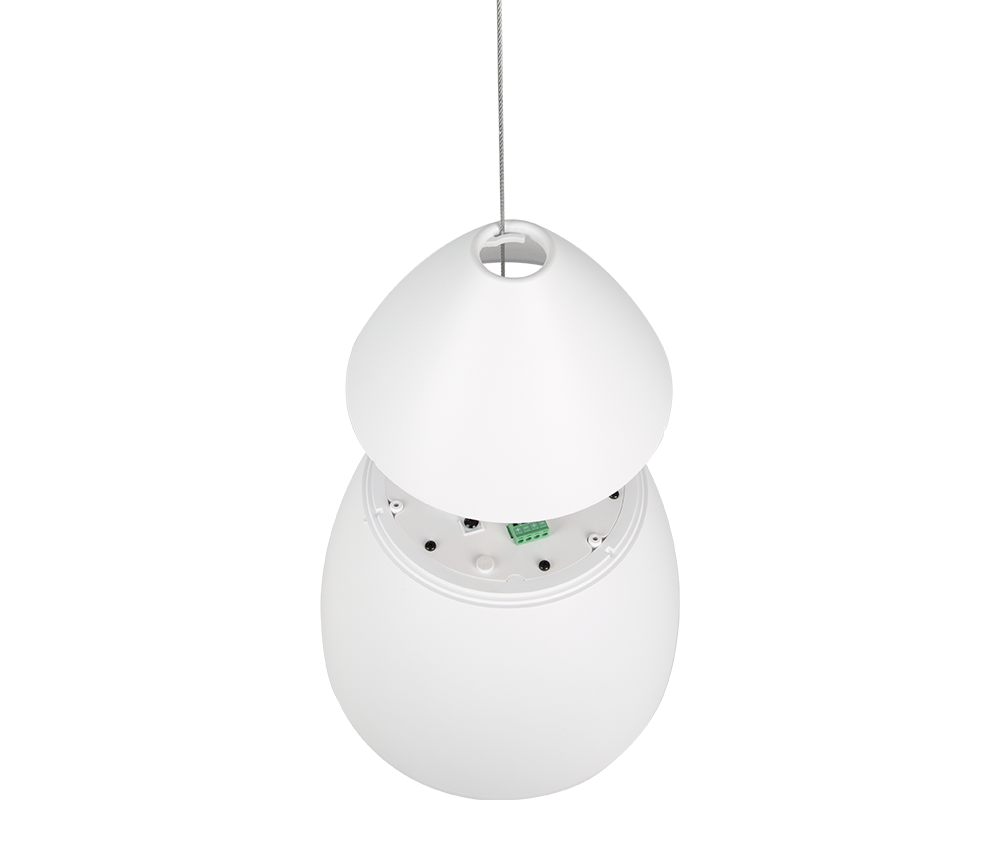
Many gym owners think they need louder speakers. Often, they need better speaker placement. Poor placement creates hot spots and dead spots. Some members stand under sound that feels too loud, while others can barely hear the music.
The better goal is even coverage. Sound should reach the room without forcing one area to carry the whole space.
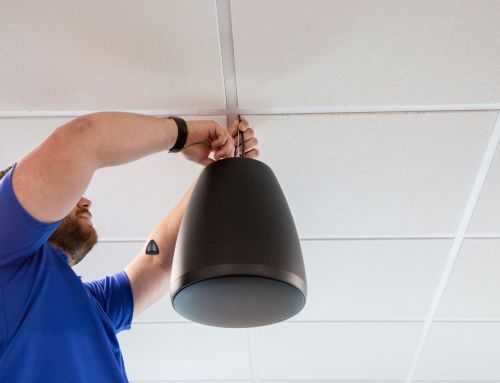
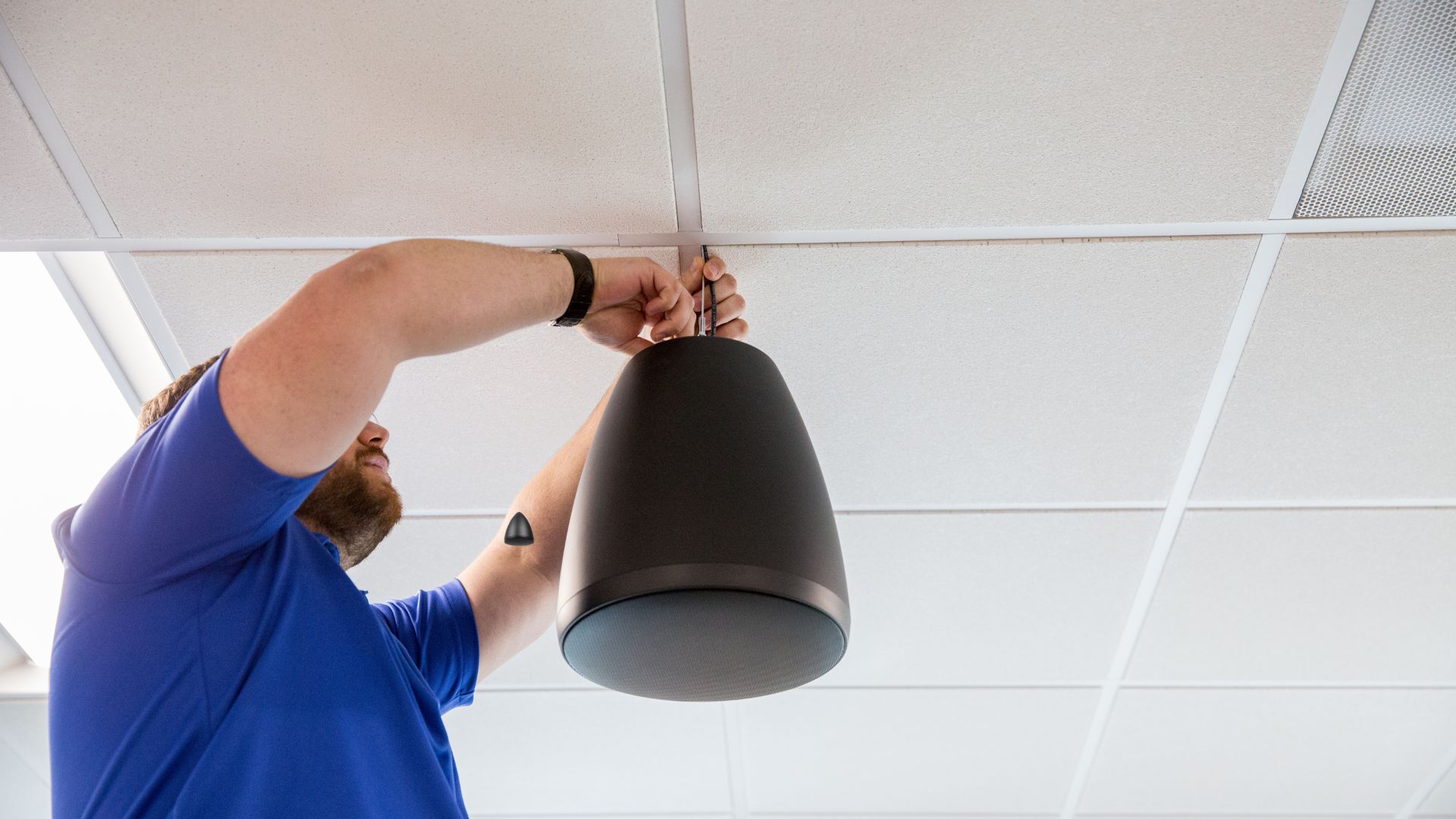
Ceiling speakers may work in some rooms. Wall mounted speakers may fit open gyms, weight rooms, or high ceiling areas. Group fitness rooms may need a stronger setup for both music and voice.
Good speaker placement helps the system sound clear at a more comfortable level.
Instructor Microphones Need Careful Planning
Instructor audio can make or break a class. Members need to hear cues over music. They also need to hear changes in pace, form, and safety.
A good instructor mic helps the coach speak clearly without shouting. Many fitness spaces use headsets or wireless mics because coaches need both hands free.
The mic and speaker system must work together. When the mic sits too close to a speaker, feedback can happen. Poor tuning can also make voice sound harsh.
Clear voice audio helps members stay on track. It also helps protect instructors from voice strain.
Music Sources Should Be Easy to Use
A gym sound system may use several music sources. These may include streaming, Bluetooth, TV audio, instructor devices, or a business music service.
The right setup depends on daily use. Front desk staff may need simple source control. Instructors may need fast access before class. A manager may need settings that members cannot change.
Reliability matters here. If music drops in the middle of a class, everyone feels it. A stable source plan helps the gym avoid awkward pauses. It also helps staff run the day with more confidence.
Do Gyms Need Subwoofers?

Some gyms benefit from subwoofers. A cycling room or high energy class space may use deeper bass to create more impact. However, not every area needs bass. A lobby, locker room, or yoga space may need a cleaner and calmer sound.
Bass can add energy, but it needs control. Too much low sound can travel through walls. It can also bother nearby tenants or make speech harder to hear.
Heavy bass does not belong everywhere. The sound should support the workout and fit the space.
Gym Sound Controls Should Be Simple
Staff should not need five remotes and three apps to change the volume. Simple controls help the team adjust sound quickly without slowing down the day.
A clear setup also makes the system easier to trust. Gyms may use wall controls, touch panels, mobile control, or presets for different areas. Some may even use a universal remote depending on their needs.
For example, staff may need a class setting for group workouts. They may also need a softer setting for open gym hours. A front desk team may need simple control for the lobby.
The right control setup helps staff run the space with confidence.
What to Plan Before Installation
Before installing a gym sound system, start with how the space is used. Each area has a job, and the audio should support that job. Think about the daily schedule. Open gym time, classes, private training, check in, cleaning, and events may each need different sound.
Next, look at the room itself. Ceiling height, mirrors, floors, walls, and equipment all affect how sound travels. Then, decide who needs control. Front desk staff, trainers, managers, and owners may need different access.
Finally, plan for growth. Your gym may add more classes, displays, zones, or outdoor training later. A smart design can make those changes easier.
How Shultz Audio Video Helps San Diego Fitness Spaces
Shultz Audio Video helps San Diego businesses design and install AV systems that fit the way each space works. For gyms and fitness centers, audio should support energy, instruction, comfort, and staff control. The process starts with a consultation. Shultz Audio Video reviews your space, current system, pain points, and goals.
Next, the team creates a sound system plan for your gym. This may include speakers, zones, mics, controls, wiring, equipment placement, and tuning. Then, Shultz Audio Video installs, tests, and supports the system. Your staff gets audio that is easier to use, and members get clearer sound in the areas where they train, stretch, lift, and take classes.
Better Gym Audio Starts With a Better Plan
Your members come to your gym to move, train, focus, and feel better. The sound system should support that experience from the front desk to the final rep. If your music feels uneven, your instructors strain to be heard, or your staff keeps fighting the controls, your current setup may be holding the space back.
A well planned gym sound system can help your fitness center feel more polished, more energetic, and easier to manage. Schedule a commercial AV consultation with Shultz Audio Video and get a gym sound system designed around your space, your team, and your members.
Need a sound system for your San Diego business? We design sound systems that are ideal for a wide range of commercial applications such as restaurants, sports bars, house of worship, auditoriums, fitness studios, huddle rooms, boardrooms, conference rooms, PA systems more. Call us today at (760) 505-7461 for a consultation! Or fill out the contact form below.